
‘It’s not a definitive victory, but it’s enough to carry on’: an interview on bipolar disorder
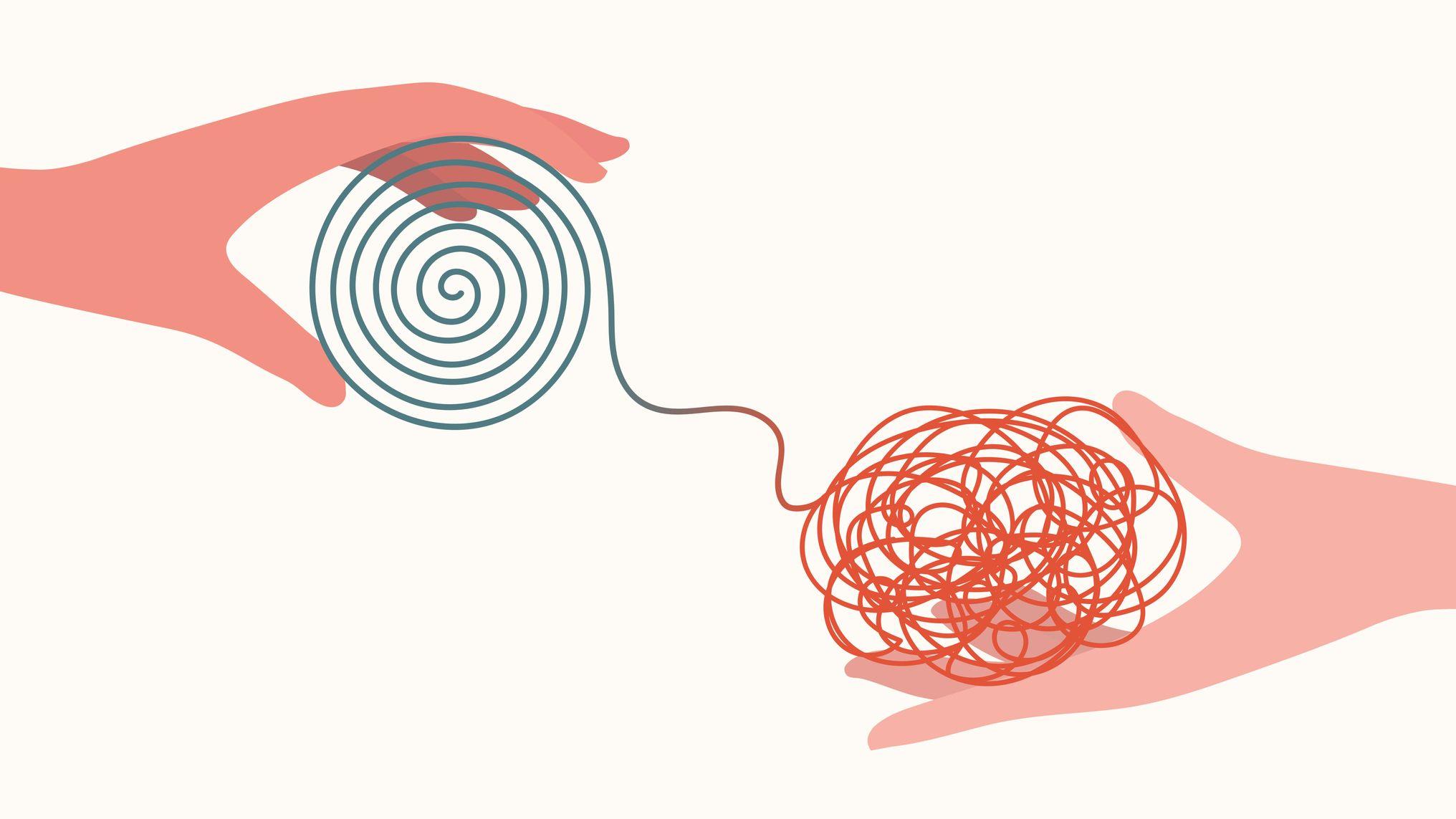
A first-hand account of what it really means to live with bipolar disorder — beyond the stereotypes.
People often say ‘I’m a bit bipolar’ to describe a sudden change in mood. But bipolar disorder is quite different: it is a chronic condition characterised by depressive episodes and manic or hypomanic episodes that can last for weeks or months, having a profound impact on daily life.
Gabriela Stanciu, Secretary of the Italian Bipolar Association, took part in the podcast “Dalla nostra parte” hosted by Alessia Giovanna Matrisciano. She recounts her experiences with honesty: from the depression that first appeared whilst she was at secondary school, to the initial hypomanic episodes mistaken for bursts of positive energy, right up to her diagnosis in her first year at university.
A story of resilience, not perfection
‘It’s not a definitive victory, but it’s enough to stay. I’m still here. Not because it’s easy, but because it’s possible.’
The journey described in the interview is not a straightforward one: relapses, years of sporadic study, a university course put on hold to undergo treatment, and relationships that were difficult to manage during the darkest times. But it also involved psychotherapy that helped her recognise the patterns of her disorder, a job she found once stability had returned, and the prospect of graduating.
Challenging the stereotype
One of the most important points in the interview concerns precisely the way in which bipolar disorder is described in everyday language:
‘A person with bipolar disorder is not simply indecisive or fickle. […] The term “bipolar” is often misused to describe rapid mood swings, but this is an oversimplification that does not do justice to the complexity of the condition.’
What can really make a difference
When asked what people close to someone going through a ‘high’ or ‘low’ can do, the answer is disarmingly simple:
‘I don’t ask for much: just to be there, even in silence, without giving unsolicited advice or uttering clichés that might cause offence.’
If you, or someone you know, is living with bipolar disorder, the Italian Bipolar Association is here to support you
